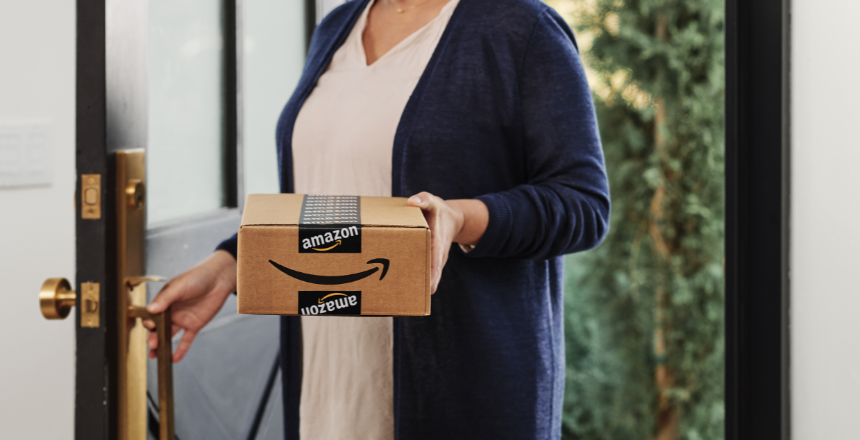
Amazon’s Delivery Speed: A Global Game-Changer
The days of waiting a week for a parcel to arrive are long gone. Thanks to Amazon Prime, rapid delivery has become the norm, fundamentally altering consumer expectations. Whether it’s same-day or next-day delivery, Amazon has revolutionised logistics and supply chains, setting a new standard for speed and efficiency.
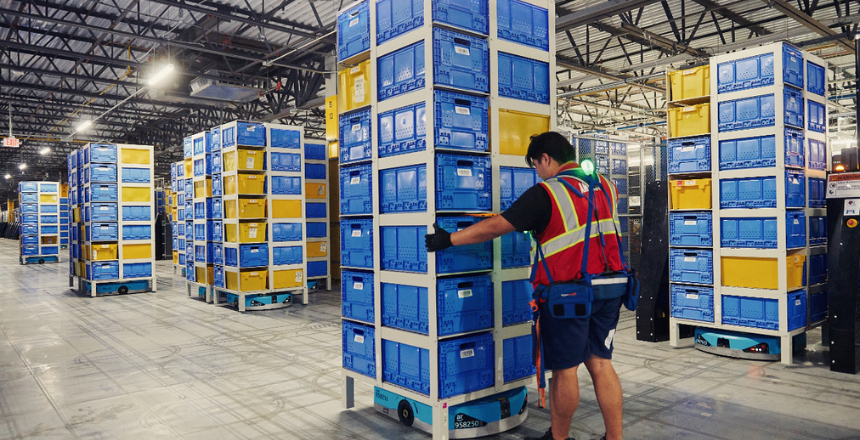
This relentless focus on speed hasn’t just reshaped e-commerce—it has transformed global logistics. Warehouses are increasingly automated, last-mile delivery networks have expanded, and retailers everywhere are under pressure to meet growing consumer demands. Those that fail to keep pace risk losing customers who now expect near-instant fulfilment.
The Evolution Of Physical Retail
Traditional retail has had no choice but to adapt. As online shopping has surged, many brick-and-mortar stores have struggled to compete, leading to widespread closures and significant shifts in consumer behaviour. Today, shoppers browse online before deciding whether to make a purchase in-store or via digital platforms, making an omnichannel strategy essential for survival.
However, rather than eradicating physical stores altogether, Amazon has played a role in redefining them. Innovations such as checkout-free shopping and hybrid retail experiences that blend digital and in-person purchasing have blurred the lines between online and offline commerce. In this new retail landscape, adaptability is key—businesses must leverage digital tools and personalised experiences to attract and retain customers.
Amazon’s Complex Relationship With Small Businesses
For small businesses, Amazon is both a gateway to opportunity and a major challenge. The platform provides access to millions of customers, enabling businesses to expand beyond their local markets. However, this comes at a cost—Amazon’s selling fees, competitive pricing pressures, and the challenge of standing out in an oversaturated marketplace mean success is far from guaranteed.
Additionally, when a product proves successful, Amazon has been known to introduce its own version at a lower price, making it even harder for independent sellers to compete. While some small businesses flourish by developing strong branding and niche positioning, others struggle to maintain profitability in a marketplace dominated by a global retail giant.
The Future Of Shopping: Innovation And Adaptation
As technology advances, Amazon continues to push the boundaries of retail. From AI-driven recommendations and automated fulfilment centres to drone deliveries and even more sophisticated logistics, the company is shaping the future of shopping. Its influence forces competitors to innovate, ensuring that the retail sector continues to evolve in response to changing consumer expectations.
At the same time, businesses around the world are finding ways to set themselves apart. Whether through personalised customer service, sustainable and ethical product offerings, or unique in-store experiences, success in modern retail depends on more than just competitive pricing—it requires adaptability and innovation.
Adapt Or Fall Behind
While Amazon’s impact is undeniable, the future of shopping is not entirely in its hands. Instead, it depends on how retailers respond—whether by embracing technology, prioritising customer experience, or finding new ways to deliver value in an increasingly competitive landscape.