Make Informed Choices
If you’re committed to making responsible shopping decisions, understanding the impact of ethical consumerism can help you make smarter choices. Every time you buy something, you have the power to support fair wages, sustainable practices, and greater supply chain transparency. By choosing brands that uphold ethical values, you’re not just purchasing a product—you’re supporting a movement that prioritises both people and the planet.
What Is Ethical Retailing?
At its core, ethical retailing is about businesses committing to doing the right thing—for their workers, customers, and the environment. This includes:
- Fair Labour Practices: Ensuring workers receive fair wages and have safe working conditions.
- Ethical Sourcing In Retail: Using materials that are responsibly and sustainably obtained.
- Retail Transparency: Openly sharing details about supply chains, sourcing, and labour policies.
More companies are recognising that consumers like you value corporate social responsibility (CSR). Take Everlane, for example—this brand is known for its commitment to “Radical Transparency,” providing detailed breakdowns of production costs and factory conditions so customers know exactly where their purchases come from. Similarly, Stella McCartney has been a longstanding advocate of sustainable fashion, using innovative materials such as vegan leather and recycled fabrics while maintaining a cruelty-free supply chain.
Why Transparency In Retail Matters
Ever had the feeling that a brand was keeping something from you? That’s where retail transparency makes a difference. Companies that openly share their sourcing methods, labour conditions, and environmental impact foster trust with consumers.
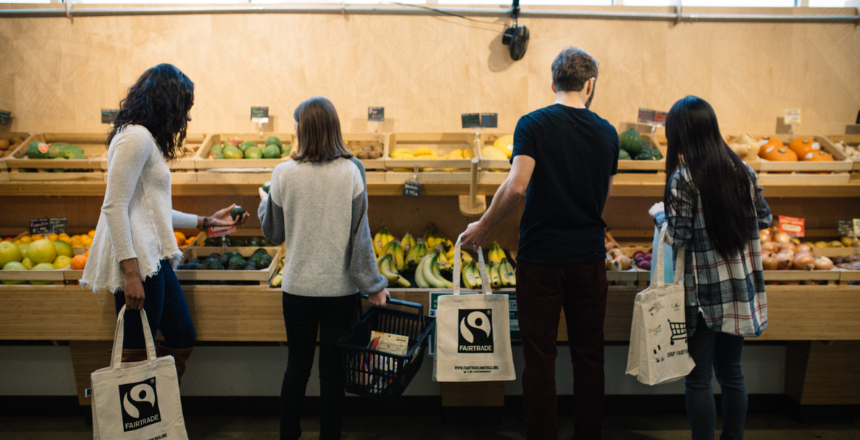
When a brand is upfront about where its products come from and how they are made, it helps you make well-informed purchasing decisions. Whether you are interested in Fairtrade products or looking for a more sustainable shopping experience, transparency ensures you understand exactly what you are supporting.
The Importance Of Ethical Sourcing
Ethical sourcing in retail means businesses carefully select suppliers that uphold human rights and environmental standards. Why does this matter to you? Because your purchasing choices have an impact that extends beyond your home or wardrobe—they affect real people across the globe. When companies focus on sustainable retail practices, they:
- Minimise environmental harm
- Support fair wages and safe working conditions
- Contribute to long-term economic stability in supplier communities
One of the biggest advocates of ethical consumerism is Patagonia. This brand is a leader in sustainable retail, using recycled materials and ensuring its factories meet strict ethical standards. Similarly, Lush is renowned for its firm stance against animal testing and its commitment to using fresh, organic ingredients while minimising packaging waste. If you are looking for brands that genuinely live by their values, these are great examples.
How To Support Fair Labour Practices
Next time you shop, consider the impact your purchase has on the workers behind the scenes. Brands that uphold strong fair labour practices ensure their employees are treated ethically, paid fairly, and provided with safe working environments. Here’s how you can support ethical retailing:
- Look for certifications such as Fairtrade or B Corp.
- Research companies’ corporate social responsibility (CSR) policies.
- Choose retailers that maintain a transparent supply chain.
By prioritising brands that adhere to ethical standards, you send a strong message that fair treatment of workers is essential.
Shopping Sustainably: Small Changes, Big Impact
You don’t need to completely change your shopping habits overnight. Supporting sustainable shopping can start with small, thoughtful choices. Here’s how:
- Shop from brands committed to sustainable retailing.
- Opt for Fairtrade-certified products whenever possible.
- Avoid fast fashion and prioritise quality over quantity.
By making more mindful purchasing decisions, you’re not just acquiring a product—you’re backing a movement that champions ethics, sustainability, and transparency.
Your Choices Matter
At the end of the day, ethical retailing isn’t solely about businesses doing the right thing—it’s about you holding them accountable. The decisions you make as a shopper have the power to influence brands to adopt fair labour practices, ethical sourcing, and greater supply chain transparency.